



image by aitoff
What a Euphemism Is
- The word euphemism comes from a Greek word meaning sounding good.
- A euphemism is a literary device in which the writer substitutes a softer, less offensive expression for a person, place, thing, or event. The word may sound more polite, but it gets the message across.
Common Examples of Euphemism
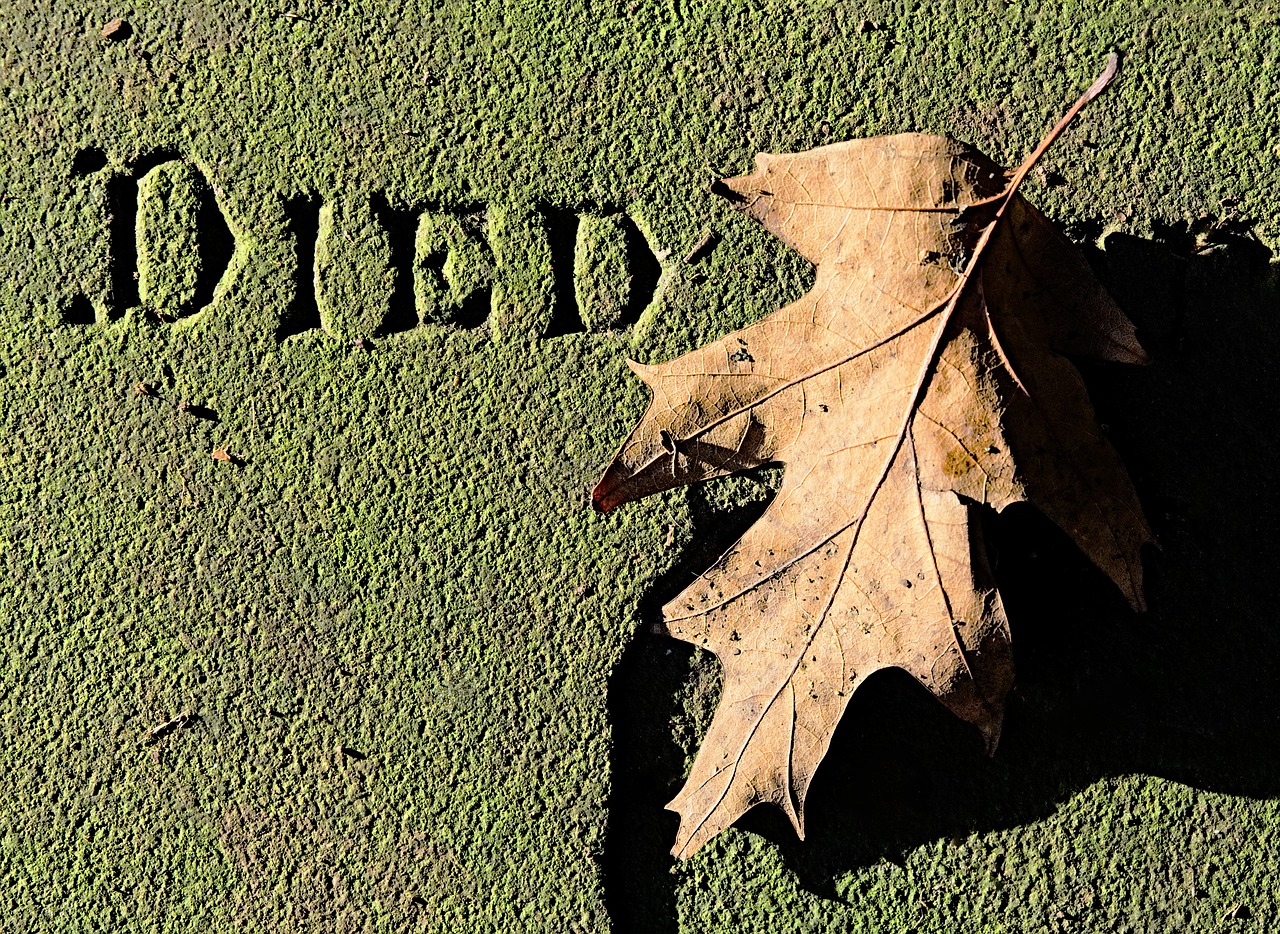
- Died ⇒ passed away, departed, bought the farm
- Prison ⇒ correctional facility
- Pregnant ⇒ in the family way
- Fired ⇒ let go
- Firing employees ⇒ downsizing, staff being realigned
- Obese ⇒ stout, plump, portly
- Unemployed ⇒ between jobs
- Garbage man ⇒ sanitation engineer
- Poor ⇒ working class, economically disadvantaged
- Broke ⇒ negative cash flow
- Lie ⇒ put a spin on the truth
- Drunk ⇒ had a few
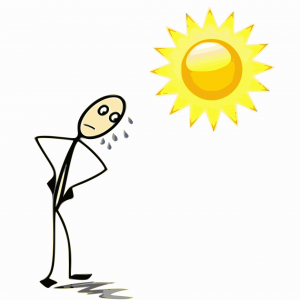
image by OpenClipart-Vector-images
- Body odor ⇒ manly scent, B.O.
- Bald ⇒ thin on top
- Blunder ⇒ faux pas
- Before I die ⇒ before I go
- Sweat ⇒ perspiration, misting
- Genocide ⇒ ethnic cleansing
- Used car ⇒ pre-enjoyed vehicle
Why Use Euphemisms
- Writers employ euphemisms in dialogue if a character doesn’t want to be considered insensitive, prejudiced, or unkind. For example, a character might say in a meeting, “It’s not my fault the Dugan family lives in substandard housing.” However, he says to his wife, “How do people like the Dugans cause themselves to live in such a slum?”
- A character may use euphemisms to escape responsibility for something. For example, when innocent people are killed, he may call this collateral damage.
- Euphemisms sometimes help paint the period of the story. For example, using powder room for toilet instead of the more current restroom.
- They are often used to tone down profanity.
image by Clker-Free-Vector-Images
- Writers use euphemisms to write figuratively about taboo issues. Possibly replace euthanize with put to sleep.
- Euphemisms can add humor or hint at the ridiculous. For example, when a father asks why his teenage son was fired, the son says, “I was told I was partially proficient and the company’s staff was being re-engineered during a time when they’re dealing with under-performing assets.”
Euphemisms soften offensive expressions while getting the point across. Click to tweet.
When has one of your characters used a euphemism that helped define the character’s personality?


great post Zoe!
Good luck and God’s blessings
PamT
Thanks, Pam for stopping by.
I tend to use a lot of them in my writing. After years of writing diagnostic reports for Special Education, it is hard to just come out and say what is obvious.
Thank you, Cleo, for giving us a real life example. Sometimes I wonder what will offend someone more—the “obvious” or the euphemism.
My main character uses euphemisms all the time, as she’s English and a vicar’s wife. I find that the British use a great deal of what we’d call euphemisms. Cheers
Interesting, Marilyn. Would you care to share a few the British use?
I used “get rid of” instead of “kill” or “murder” when telling Bible stories to the preschoolers.
I did too, Marcia. That’s a great example of using euphemisms.